

1600s · THE FOOL
A name for a simpleton
Doodle first appeared in the early 17th century meaning a fool or simpleton, possibly from the German Dudeltopf. That is the sense in the song title Yankee Doodle.
Pick a meaningTHE STORY OF A WORD
Doodle is older and ruder than it looks.
In the early 1600s a doodle was a fool or simpleton. It went on to name a mocking marching song, and only in 1936 did a film courtroom give doodler the meaning most of us know: someone who draws while thinking.
DOODLE since the 1600s
THE SHORT ANSWER
The meaning shifted from people to songs to pictures.
Each step left a trace we still use.
1600s · THE FOOL
Doodle first appeared in the early 17th century meaning a fool or simpleton, possibly from the German Dudeltopf. That is the sense in the song title Yankee Doodle.
Pick a meaning1936 · THE FILM
In the final scene of Mr. Deeds Goes to Town, Deeds tells a judge that doodler is a word made up back home for someone who makes foolish designs on paper while thinking.
See the numbersTODAY · THE SCRIBBLE
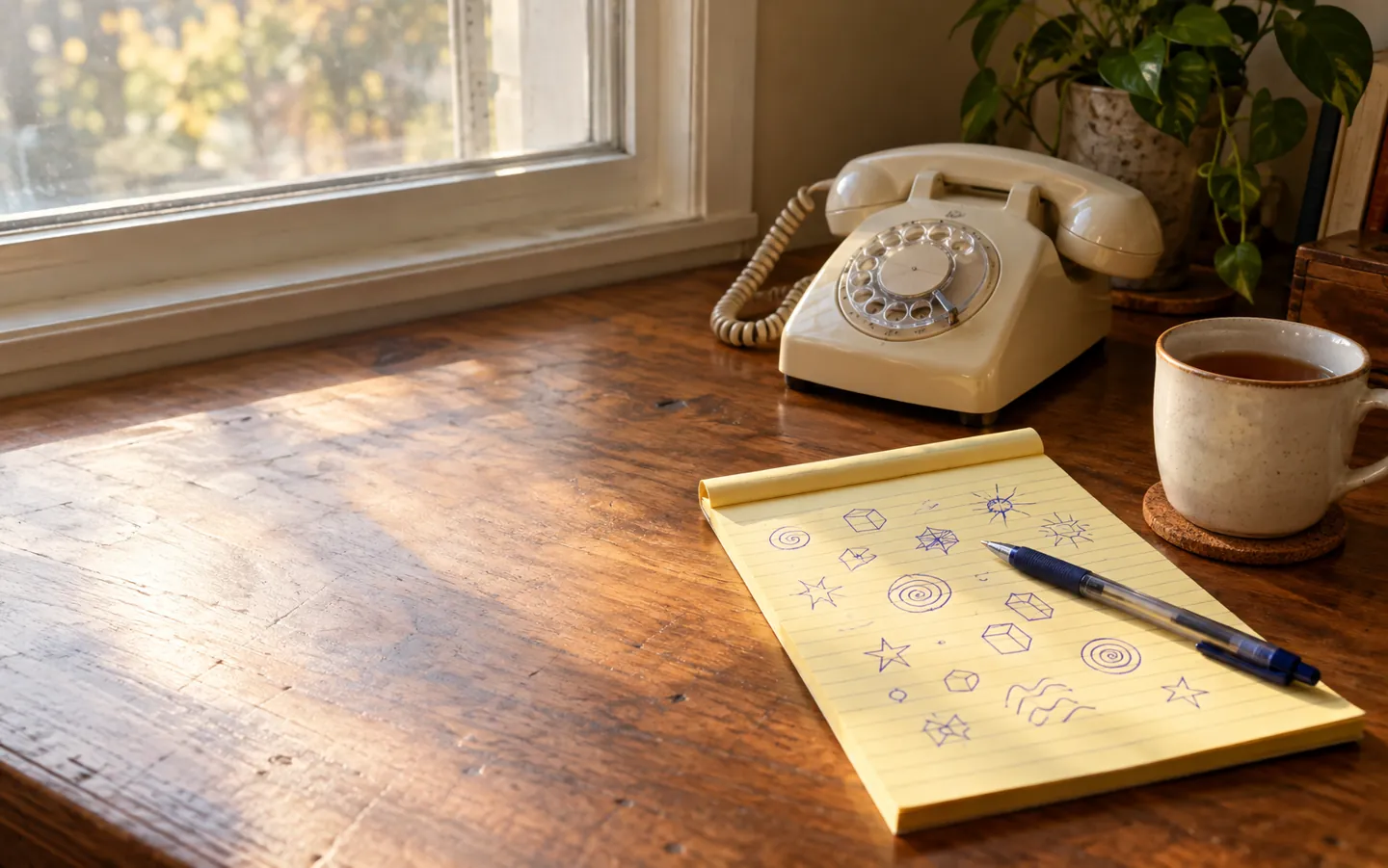
A doodle now means a drawing made while your attention is somewhere else: margins of school notebooks, the pad beside the phone, the back of a meeting agenda.
Read a doodle's ageWHICH DOODLE?
Choose a sense of the word to see when it is first recorded or in use. The bar shows how far back each sense goes.
Dates from the Oxford English Dictionary entry as summarised by Wikipedia, Smithsonian magazine, ConnecticutHistory.org and an Imperial War Museums film record.
TWO NUMBERS WORTH KNOWING
One number on how little we know about the song,
one on how it became official anyway.
16 theories
Explanations proposed for Yankee Doodle
Smithsonian magazine reports that historians have proposed no fewer than 16 explanations for the song, from a British army doctor in the 1750s to Cromwell, Hungary, Ireland and the Netherlands. None has held up.
ORIGINS · SMITHSONIAN
20 songs
Proposed anthems played to legislators
On 10 November 1977, 20 proposed anthems were played in the Connecticut Capitol. Yankee Doodle was adopted as the state song by an Act of the Legislature in 1978.
STATE SONG · CONNECTICUT
The best-known verse, with the pony, the feather and macaroni, is first known in print in James Orchard Halliwell-Phillipps' The Nursery Rhymes of England, published in 1842.
FOUR CLUES IN OLD TEXTS
Meet the word in an old letter, song or newspaper and the date usually tells you which sense is meant. These clues come straight from the timeline above.
In 17th- and 18th-century writing a doodle is usually a fool or a trifling person, not a picture.
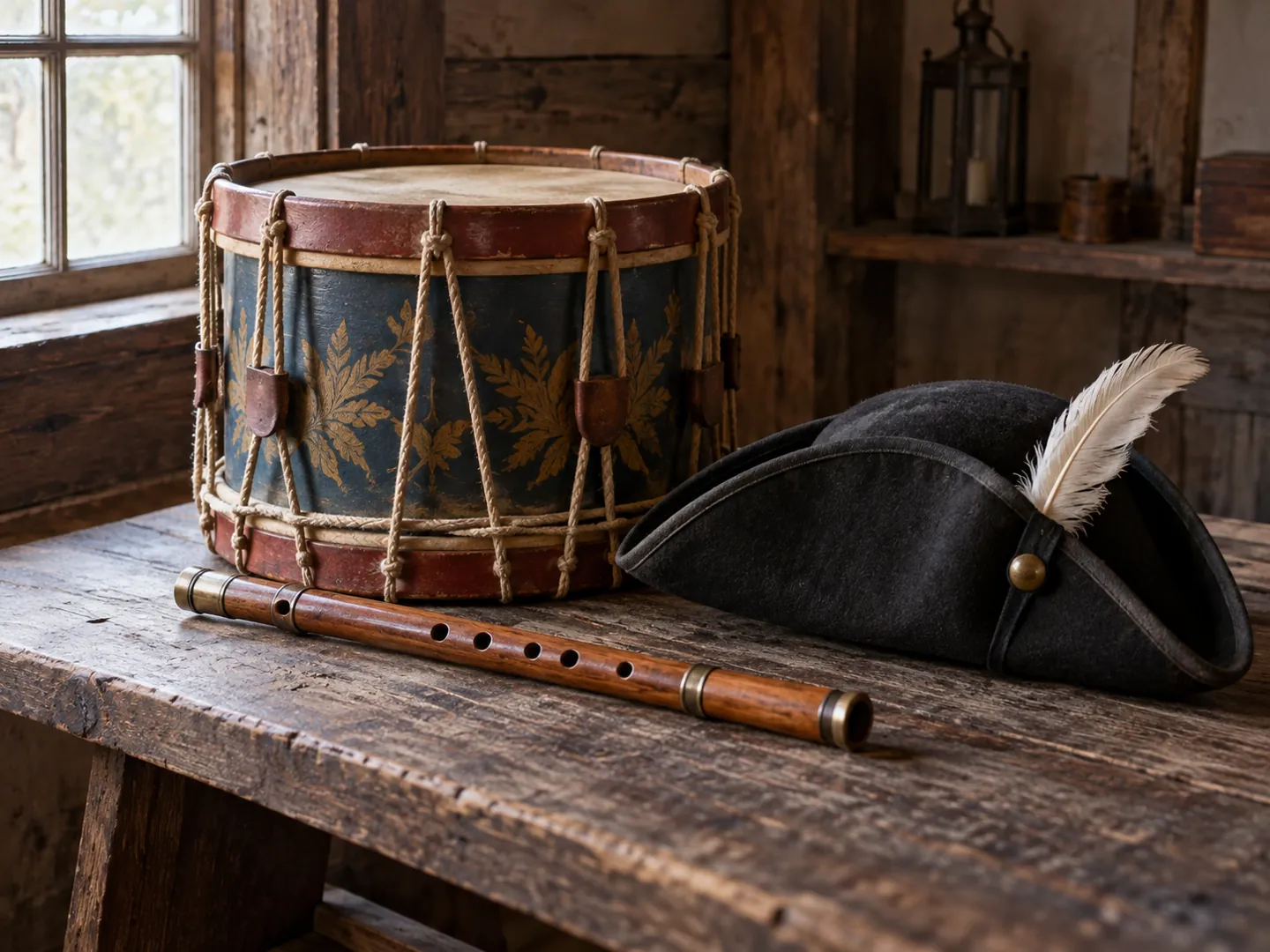
Yankee Doodle began as mockery of American colonists, before they adopted the tune as their own.
From the Mr. Deeds courtroom scene onwards, a doodler is usually someone drawing while thinking.
A doodlebug in wartime Britain was the V-1 flying bomb, known for its distinctive sound.

A FILM'S OTHER WORD
The same 1936 film made a second word famous. Pixilated, attested in New England since 1848, had a nationwide vogue in 1936 thanks to the film's courtroom scene.
The year after the film came out, a book joined the two words together: Everybody's Pixillated: A Book of Doodles. The fool had become a pastime.
Questions
Someone who doodles. Cambridge Dictionary defines doodling as drawing pictures or patterns while thinking about something else or when you are bored. Merriam-Webster also lists a second sense, one that dillydallies, and dates the first known use of doodle in its drawing sense to 1937, the year after the Mr. Deeds film.
From a 17th-century word for a fool. Doodle first appeared in the early 1600s meaning a fool or simpleton, and it may come from the German Dudeltopf or Dudeldop. It went on to give an early 18th-century verb meaning to swindle someone, and the mocking song Yankee Doodle, where it means a foolish or trifling person. The modern sense of drawing while thinking may owe its entry into common use to the final courtroom scene of the 1936 film Mr. Deeds Goes to Town.
Yes. In the 18th century doodle generally meant a foolish or trifling person, which is the sense the British intended when they used the song to mock American colonists.
The modern sense of drawing on paper may owe its entry into common use to the final courtroom scene of the 1936 film Mr. Deeds Goes to Town, where the hero explains the word doodler to a judge.
It was a wartime nickname for the German V-1 flying bomb. A September 1944 newsreel held by the Imperial War Museums uses the name and records the bomb's distinctive sound.
In one University of Plymouth study, published in 2010, 40 people listened to a dull mock phone message and half of them shaded printed shapes while they listened. The doodlers later recalled 7.5 of 16 names and places on average, against 5.8 for the others, about 29% more.
Sources
ABOUT THIS NAME
adoodler.com is part of the DoodleSale portfolio. It isn't in an auction right now, but you can ask about leasing it.